Blog
Notes on development and products
Practice from our projects: architecture, estimates, integrations and support.

Как мы получили первый зарубежный заказ на Laravel: честная история двух джунов
Каждый разработчик когда-то начинал с первого проекта. Но иногда этот первый проект оказывается настолько амбициозным, что запоминается на всю жизнь. Сегодня мы в Jarovit решили рассказать историю, которую обычно принято скрывать за красивыми кейсами. Это рассказ о том, как два джуна без опыта в Laravel взяли крупный зарубежный заказ, сделали его по ТЗ и получили ценный — хотя и болезненный — урок.

Как аудит спас заказчика от потери денег — и открыл нам трёхлетнее сотрудничество
К нам обратился заказчик с проектом по бронированию апартаментов. Мы провели аудит — заявленного функционала нет, поддержка крайне сложна, архитектура держится на «своеобразных решениях» текущей сторонней команды. Мы рекомендовали заказчику требовать возврат средств. После того как команде показали заключение, они перестали выходить на связь. Заказчик потерял деньги, но получил «оживление» проекта от нас — а затем мы три года развивали продукт, пока пандемия не изменила рынок аренды.
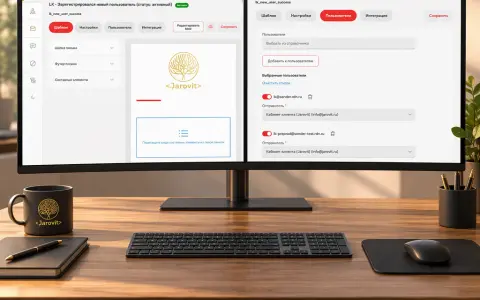
Конструктор шаблонов рассылок: как мы убрали 6 задач и 4 исполнителей из процесса
Раньше, чтобы внедрить новый шаблон письма, нужно было пройти цепочку: дизайнер → фронтенд → бэкенд → QA на стороне сервиса рассылок → QA на стороне сервиса-отправителя. Создание и редактирование шаблонов превращалось в мини-проект с большим количеством исполнителей. Мы предложили и реализовали Конструктор шаблонов. Нагрузка на команду разработки снизилась — усилия направили на более важные направления.
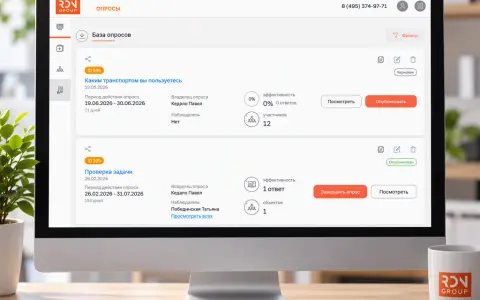
Как мы провалились на проекте сервиса опросов — и что из этого вынесли
Бизнес попросил разработать сервис опросов для сотрудников и клиентов. На разработку дали 3 месяца, команда — тимлид, бэкенд и фронтенд. Бэкенд сдавал блоки в срок, фронтенд «шёл по плану», но за месяц до сдачи выяснилось: наработки на Vue.js не готовы. За неделю до показа мы экстренно переписали проект. MVP сдали, но с багами — бизнес дал негатив. Кредит доверия и время на стабилизацию спасли ситуацию. Рассказываем честно, что пошло не так и какие выводы мы сделали.
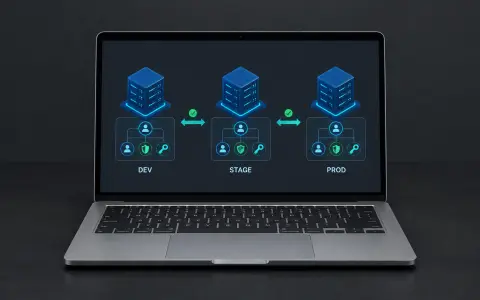
Synchronizing the role model across environments: how we got rid of “only works in production”
Support and managers maintained the role model only in prod, leaving test and preprod incomplete and some scenarios impossible to reproduce. We implemented one-way synchronization from prod, with additions, deletions, ignore flags, slug-based matching, and cron or admin-panel triggers. The role model is now **consistent** across environments.

Document Management Service: how we built a secure file storage in 3 months
The business requested a service for accounting and exchanging documents of senior management. The functionality is similar to Google Drive: subfolders, sharing, search, favorites, trash. But with strict security requirements: file encryption, 1-hour session, authorization through our service. We chose Laravel, PostgreSQL, and DocumentDB (later MongoDB) for hashes, and connected WebSockets for real-time. The project was completed on time — the business is successfully using it.

Bad experience with SAML: how we spent a month and a half developing a solution that had to be disabled
The company had an Active Directory portal, and the business wanted single sign-on via SAML 2.0. We integrated the `aacotroneo/laravel-saml2` package, but users had to authenticate twice: in our service and on the portal. A week after launch, most employees complained, and we eventually disabled the solution. Here’s what went wrong and what we learned.
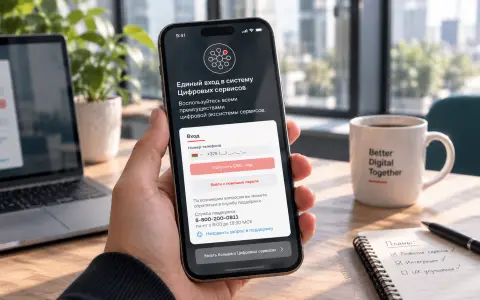
End-to-end authorization via OAuth 2.0: how we combined 6 services on 1C-Bitrix
On a large project, there were 6 1C-Bitrix services, each with its own authorization. The business decided to create a single entry point on Laravel. We implemented end-to-end authorization via OAuth 2.0, created technical users for API exchanges, optimized the transfer of large objects, and then finalized the redirect mechanism for guest services and direct links to files. The client logs in once and gets into any service without logging in again.
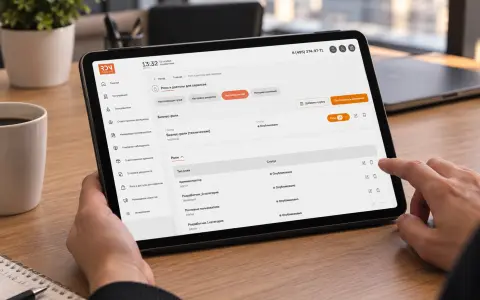
Role model for a multiservice structure: from role verification to access grid
In the multiservice project, authorization was initially role-based. As the number of roles grew, we shifted to access-based checks. We implemented a flexible model where users have a role and an organizational affiliation, roles define default access rights, and organizations can receive custom permissions. We also built an interface for business teams to manage roles and access rights, view change history, and roll back changes.
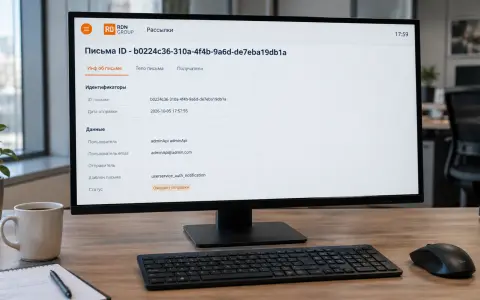
How we defended our clients: the story of one transition between mailing aggregators
In the process of creating a mailing service, we started with Mailchimp, then switched to DashaMail. When the business asked to switch to an internal aggregator, we conducted an analysis and identified critical limitations: there is no API, there are no status webhooks, it cannot withstand the load. We proposed a compromise — to use the internal aggregator only for infrastructure emails, and leave the client emails on the external one. The service has become multi-aggregator.
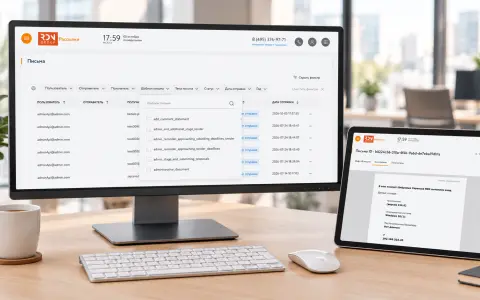
Laravel Mailing service: how we combined email and SMS sending for all internal services
In a large project, each service sent emails and SMS in its own way: code duplication, lack of a status dashboard, and long improvements. We have designed a single mailing service on Laravel and RabbitMQ from three solutions — dashboard, API and sender. Providers connect once, statuses are visible through aggregators' webhooks, and the team no longer spends time on duplicate integrations.
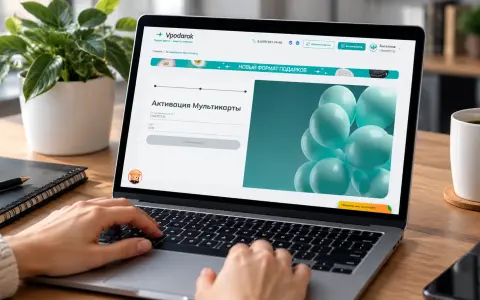
Asynchronous activation of gift cards: the continuation of the story
After the warehouse was automated, the activity on the site increased. On peak days, the number of activations reached tens of thousands per day. Synchronous activation started to fail: delays, duplicate requests, and data errors. We switched activation to asynchronous processing via RabbitMQ and Laravel Jobs, increased the number of workers, and connected WebSockets for instant balance updates. The load has decreased, duplicates have disappeared, and the user sees the result immediately.
Let’s talk